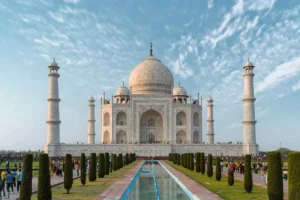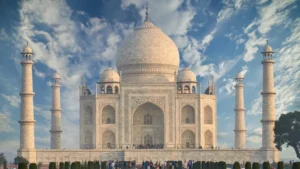

The best places to visit in Jaipur include Amber Fort, Hawa Mahal, City Palace, Jantar Mantar, and Nahargarh Fort for history and architecture, plus Jal Mahal, Albert Hall Museum, Jaigarh Fort, Chokhi Dhani, and Johari Bazaar for culture, food, and shopping. Wow Tour Guide recommends pairing these Jaipur sightseeing places with a knowledgeable local guide to get the most out of each visit.
Jaipur, the capital of Rajasthan, earned its nickname “the Pink City” from the terracotta-hued buildings that line its old quarter. Founded in 1727 by Maharaja Sawai Jai Singh II, the city blends royal history with a thriving modern culture, making it one of the most visited destinations on India’s Golden Triangle Circuit.
Whether you’re drawn to Jaipur for its forts, its bazaars, or its food, deciding where to start can feel overwhelming. This travel guide breaks down the best places to visit in Jaipur, so you can plan a trip that matches your interests and time frame. Wow Tour Guide put together this list based on the sites that consistently rank among Jaipur’s most famous places, so you know exactly what to expect before you go.
Why is Amber Fort considered Jaipur’s most iconic attraction
Amber Fort (also spelled Amer Fort) sits on a hilltop roughly 11 kilometers from Jaipur’s city center and is widely regarded as the crown jewel of Jaipur Tourist Attractions. Built primarily from sandstone and marble, the fort showcases a mix of Hindu and Mughal architectural styles across its courtyards, palaces, and the dazzling Sheesh Mahal, or Mirror Palace.
Visitors can reach the fort by car, taxi, or other local transport, while early morning visits are ideal for cooler temperatures and fewer crowds.
What makes Hawa Mahal worth photographing
Hawa Mahal, or the “Palace of Winds,” is one of the most photographed buildings in Jaipur. Built in 1799 by Maharaja Sawai Pratap Singh, its five-story pink sandstone facade features 953 small windows, known as jharokhas, originally designed to let royal women observe street life without being seen.
The best photos come from across the street rather than inside, since the interior is relatively narrow. Pair a visit here with a stop at nearby Johari Bazaar to make the most of your morning in the old city.
How much time should you spend at City Palace
City Palace remains the official residence of Jaipur’s former royal family, with parts of it still functioning as a private residence today. The complex includes the Chandra Mahal, Mubarak Mahal, and a museum housing royal artifacts, textiles, and weapons.
Plan for about two hours here if you want to explore the courtyards and museum galleries without rushing. Choose the Royal Grandeur or Palace Tour ticket if you want access to areas not included in the standard entry.
Why do astronomy fans visit Jantar Mantar
Jantar Mantar is an astronomical observatory built between 1727 and 1734 by Sawai Jai Singh II, who had a personal fascination with astronomy and mathematics. The site houses 19 architectural instruments, including the world’s largest stone sundial, and was designated a UNESCO World Heritage Site in 2010.
This stop appeals most to travelers interested in science and history rather than pure sightseeing, but the scale of the instruments makes it visually striking regardless of your background.
Is Nahargarh Fort better for sunset views or history?
Nahargarh Fort sits on the Aravalli Hills overlooking Jaipur and is best known today for its sunset views over the city. Built in 1734 as part of the city’s defense system alongside Amber Fort and Jaigarh Fort, it now attracts visitors more for its rooftop cafes and panoramic photo spots than its historical exhibits.
Choose Nahargarh Fort if you want a scenic end to your day. Choose Jaigarh Fort instead if military history and fortification architecture matter more to you.
What can you see at Jal Mahal without going inside
Jal Mahal, or “Water Palace,” sits in the middle of Man Sagar Lake and cannot be entered by the public, since it’s currently closed for tourism. Even so, it remains one of Jaipur’s most famous places for photography, with the palace appearing to float on the water depending on the lake’s level.
A short stop here works well between other destinations, since most visitors only need 15 to 20 minutes to take photos from the lakeside viewpoint.
What will you find at the Albert Hall Museum
Albert Hall Museum, located in Ram Niwas Garden, is Rajasthan’s oldest museum. The Indo-Saracenic building houses a collection of paintings, sculptures, metal artifacts, and an Egyptian mummy that draws curious visitors year-round.
This is a strong option for travelers looking for an indoor activity during Jaipur’s hot afternoons, and it pairs well with a walk through the surrounding garden.
Why should history lovers add Jaigarh Fort to their itinerary
Jaigarh Fort, connected to Amber Fort by a network of underground passages, was built to protect the royal treasury and now houses Jaivana, the largest cannon on wheels in the world. Unlike some of Jaipur’s other sightseeing places, Jaigarh Fort sees fewer crowds, making it a good choice for travelers who prefer a quieter experience.
What is Chokhi Dhani, and who is it best suited for
Chokhi Dhani is a recreated Rajasthani village on the outskirts of Jaipur, offering cultural performances, traditional Rajasthani thali meals, camel rides, and folk dances. Choose Chokhi Dhani if you’re traveling with family or want an immersive cultural evening rather than another historical monument.
Where should you shop for authentic Jaipur souvenirs
Johari Bazaar is Jaipur’s principal market for jewelry, textiles, and traditional Rajasthani handicrafts, and it has operated as a trading hub since the city’s founding. Bargaining is expected here, so factor in some time to browse multiple stalls before settling on a price.
Plan Your Jaipur Trip with Confidence
Jaipur rewards travelers who plan ahead. Grouping nearby attractions, like Amber Fort and Jaigarh Fort, or Hawa Mahal and Johari Bazaar, saves time and reduces the need for extra transport across the city. Aim for at least two to three full days if you want to see the destinations covered in this guide without feeling rushed.
Wow Tour Guide helps travelers turn this list into a workable itinerary, matching local guides to your interests, whether that’s royal history, architecture, food, or shopping. Reach out to Wow Tour Guide to start planning a Jaipur trip built around what matters most to you.
Frequently Asked Questions
How many days do you need to see the best places to visit in Jaipur?
Most travelers need two to three full days to cover Jaipur’s major attractions, including Amber Fort, City Palace, Hawa Mahal, and Jantar Mantar, without rushing between sites.
What is the best time of year to visit Jaipur?
The cooler months from October to March offer the most comfortable weather for sightseeing, since summer temperatures in Jaipur regularly exceed 100°F (38°C).
Is Jaipur safe and easy for solo travelers?
Jaipur is generally considered safe for solo travelers, though booking a local guide through a service like Wow Tour Guide can make navigating traffic, bargaining, and site logistics easier.
Do you need to book tickets in advance for Amber Fort or City Palace?
Advance booking isn’t required but is recommended during peak season (October to March) to avoid long lines, particularly at Amber Fort.
What’s the difference between Amber Fort and Nahargarh Fort?
Amber Fort is known for its detailed architecture and history as a royal residence, while Nahargarh Fort is better suited for sunset views and a more relaxed rooftop experience.