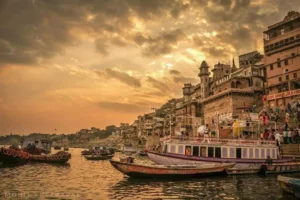

The Golden Triangle India tour covers Delhi, Agra, and Jaipur — three cities that showcase Mughal architecture, royal Rajasthani heritage, and India’s bustling capital in one compact circuit. Most first-time visitors complete the route in 4 to 7 days, making it the most efficient way to experience India’s history, culture, and iconic landmarks like the Taj Mahal.
If you’re planning your first trip to India, chances are you’ve come across the term “Golden Triangle” more than once. It’s not a mysterious location or a hidden gem — it’s the name given to the triangular route connecting Delhi, Agra, and Jaipur, three cities that together tell the story of India’s imperial past and vibrant present.
For travelers short on time but eager to see the best India has to offer, this route delivers incredible value. You’ll walk through Mughal-era forts, stand before the Taj Mahal at sunrise, and wander the pink-hued streets of Jaipur, all without the logistical headache of stitching together a longer, more complex itinerary.
This guide breaks down everything a first-time visitor needs to know about planning a Golden Triangle Tour in India — from what to expect in each city, to how long you should spend there, to practical tips that will save you time, money, and stress. Whether you’re organizing the trip yourself or working with a specialist like Wow Tour Guide, this guide will help you approach the journey with confidence.
What Is the Golden Triangle Tour in India?
The Golden Triangle refers to the geographic triangle formed by Delhi, Agra, and Jaipur on a map of northern India. Each city sits roughly 200 to 250 kilometers from the next, which makes road travel between them manageable within a few hours.
- Delhi is India’s capital and a blend of old and new — from the narrow lanes of Old Delhi to the wide boulevards of New Delhi.
- Agra is home to the Taj Mahal, one of the Seven Wonders of the World, along with Agra Fort and Fatehpur Sikri.
- Jaipur, known as the Pink City, showcases Rajasthan’s royal history through palaces, forts, and vibrant bazaars.
Together, these three cities form the backbone of most India Golden Triangle tour itineraries, and for good reason: they offer maximum cultural and historical impact in a minimal amount of travel time. If you want a full breakdown of routes and pricing, Wow Tour Guide’s Golden Triangle Tours page is a useful starting point.
Why Is the Golden Triangle the Best Introduction to India?
India is vast, and no single trip can cover its full diversity. But the Golden Triangle offers something rare for first-time visitors: a manageable, well-connected route that still delivers a genuine cross-section of the country’s history and culture.
Delhi introduces you to India’s political and social complexity. Agra brings centuries of Mughal architecture to life. Jaipur adds color, craftsmanship, and royal Rajasthani tradition. Few other regions in the world let you experience three distinct historical eras — Mughal, colonial, and Rajput — within a single, short journey.
This is also why the route works so well for travelers with limited time. A well-planned Golden Triangle India itinerary can be completed in under a week, yet it leaves visitors with a far deeper understanding of India than a single-city visit ever could.
How Do You Plan a Golden Triangle India Itinerary?
A typical Golden Triangle itinerary follows a simple loop: Delhi to Agra, Agra to Jaipur, and Jaipur back to Delhi. Most tours, including those offered through Wow Tour Guide’s Delhi Agra Jaipur Tour packages, are structured around this exact flow to minimize backtracking.
What Should You See in Delhi?
Start in Delhi to acclimate to Indian culture, food, and pace of life. Key sites include the Red Fort, Humayun’s Tomb, Qutub Minar, and India Gate. Old Delhi’s Chandni Chowk market is worth a visit for street food and a firsthand look at daily life in the capital.
Plan for at least One Full Day in Delhi, though two days allow for a more relaxed pace and time to recover from jet lag before heading onward.
What Should You See in Agra?
Agra is the emotional centerpiece of the trip. The Taj Mahal, built by Emperor Shah Jahan in memory of his wife Mumtaz Mahal, draws millions of visitors each year and is best seen at sunrise, when the marble catches the early light and crowds are thinner.
Beyond the Taj, Agra Fort and the nearby ghost city of Fatehpur Sikri are worth exploring. If you want expert commentary on the history and architecture, booking a Taj Mahal Tour Guide in Agra adds valuable context that’s easy to miss on a self-guided visit. Travelers looking for a more complete regional experience can also compare Wow Tour Guide’s Agra Tour Packages for add-ons like Fatehpur Sikri or Mehtab Bagh sunset views.
What Should You See in Jaipur?
Jaipur rounds out the trip with its striking pink-toned architecture and royal heritage. Highlights include Amber Fort, City Palace, Hawa Mahal (the Palace of Winds), and Jantar Mantar, an 18th-century astronomical observatory.
Jaipur is also an excellent city for shopping — look for block-printed textiles, gemstones, and traditional Rajasthani handicrafts. Since Jaipur is part of the larger Rajasthan region, travelers with extra time might consider extending their trip with Wow Tour Guide’s broader Rajasthan Tours, which include cities like Udaipur and Jodhpur.
How Long Should a Golden Triangle Tour Take?
Most first-time visitors complete the Golden Triangle in 4 to 7 days. A common and efficient option is the Golden Triangle Tour 5 Days itinerary, which allows roughly one to two days per city — enough time to see major sites without feeling rushed.
Choose a 4-day itinerary if your schedule is tight and you’re comfortable with a faster pace. Choose 6 to 7 days if you want more breathing room, extra time in Jaipur’s markets, or a day trip to Ranthambore National Park.
What Are the Best Golden Triangle Travel Tips for First-Time Visitors?
A few practical tips can make a significant difference in how smoothly your trip goes:
- Book accommodations and transport in advance. Delhi, Agra, and Jaipur are popular tourist destinations, especially between October and March, when the weather is cooler and more comfortable for sightseeing.
- Hire a driver or guided tour instead of self-driving. Traffic patterns and road conditions in India differ significantly from Western countries, and a knowledgeable local driver saves time and stress.
- Dress modestly when visiting religious or historical sites. Shoulders and knees should generally be covered, particularly at temples and mosques.
- Carry small denominations of Indian rupees. Vendors and smaller shops may not always have change for larger notes.
- Stay hydrated and use sun protection, especially if traveling between March and June, when temperatures can climb well above 40°C (104°F).
- Negotiate prices at markets. Bargaining is expected in most bazaars and is part of the shopping culture in Jaipur and Old Delhi.
Following these Golden Triangle travel tips helps first-time visitors avoid common pitfalls and focus on enjoying the experience rather than troubleshooting logistics.
Should You Add Ranthambore to Your Golden Triangle Tour?
Travelers with a few extra days often choose to extend their trip to include Ranthambore National Park, one of India’s premier destinations for spotting Bengal tigers in the wild. Ranthambore sits conveniently between Jaipur and the rest of Rajasthan, making it a natural addition to the standard route.
A Golden Triangle Tour with Ranthambore typically adds one to two days to the itinerary and includes a guided safari through the park. This option suits nature lovers or families looking to combine cultural sightseeing with wildlife experiences, though it may not be necessary for travelers focused purely on history and architecture.
How Much Does a Golden Triangle Tour in India Cost?
Costs vary depending on the level of accommodation, mode of transport, and whether you book independently or through a tour operator. Budget travelers can expect to spend less by using local transport and mid-range hotels, while those seeking private drivers, guides, and upscale stays will pay considerably more.
Booking through an established operator like Wow Tour Guide often works out more cost-effective in the long run, since transport, entry tickets, and guide fees are bundled together and pre-negotiated, reducing the risk of overpaying at individual sites.
Ready to Start Your Golden Triangle Adventure?
The Golden Triangle remains one of the most rewarding ways to experience India for the first time. In under a week, you can walk through centuries of history, stand before one of the world’s most recognized landmarks, and get a genuine feel for the country’s diversity, all without an overly complicated itinerary.
Whether you’re drawn to Mughal history, royal Rajasthani culture, or simply want an efficient way to see India’s highlights, the Delhi-Agra-Jaipur route delivers. Start by mapping out your preferred trip length, decide whether you want to add extensions like Ranthambore, and consider working with an experienced local operator like Wow Tour Guide to handle the logistics so you can focus on the experience itself.
Frequently Asked Questions
How many days do you need for the Golden Triangle tour in India?
Most travelers spend 4 to 7 days completing the Golden Triangle. A 5-day itinerary is one of the most popular options, offering enough time in Delhi, Agra, and Jaipur without unnecessary rushing.
What is the best time of year to visit the Golden Triangle?
October through March offers the most comfortable weather, with cooler temperatures ideal for sightseeing. Summer months (April to June) can be extremely hot, especially in Agra and Jaipur.
Is it safe for first-time visitors to travel the Golden Triangle independently?
Yes, though many first-time visitors prefer guided tours for convenience and safety. A local guide or driver can help navigate traffic, language differences, and cultural etiquette more smoothly than traveling solo.
Can Ranthambore be added to a Golden Triangle tour?
Yes. Ranthambore National Park is a popular add-on for travelers interested in wildlife, particularly tiger safaris, and typically adds one to two extra days to the standard itinerary.
Do I need a guide to visit the Taj Mahal?
A guide isn’t required, but it’s highly recommended. A knowledgeable guide provides historical context and helps visitors avoid common tourist traps near the entrance gates.